The First Hour After a Deer or Bird Strike on a Kansas Highway
Most of what matters happens in the first sixty minutes, and very little of it has to do with the car.
October 14, 2026 · 4 min read
Driving the county roads around Holton at dusk, you share the pavement with deer. In spring and fall you share it with geese and other big birds that don't care about the speed limit. Drivers who hit one tend to say the same thing afterward: it happened faster than they could react, and then they weren't sure what to do next. This is a plain walk through the first hour, written for people who live and drive here.
Get safe before anything else
If you see the animal in time, brake in a straight line and keep the wheel steady. Swerving hard toward the ditch or the oncoming lane is how a bumper repair turns into a rollover. Once the hit has happened, ease onto the shoulder as far from traffic as the road allows and turn on your hazard lights.
Check the people in the car first. If anyone is hurt, or the car is stuck in a lane where the next driver can't see it, call 911 before you call anybody else. On a dark highway the next danger is usually another vehicle, so stay buckled in until you know it's clear. Keep clear of an injured deer, too. A hurt animal with hooves can do more harm than the collision did.
What to photograph while you're standing there
Your phone is the best tool you have right now. Take the whole car from a few steps back, then each damaged area up close, then the road around you. Pictures taken at the scene tell the story better than memory does a week later, and they make the claim conversation shorter.
- Wide shots of all four sides of the vehicle
- Close shots of every dent, crack and scrape, with a coin or a key in frame for scale
- Broken glass, hanging trim, or fluid on the pavement under the car
- The road, the shoulder, and the nearest mile marker or cross road
- The animal, if it is safe to get that picture
Is the car safe to drive?
This is the question that gets people in trouble. A car that starts and rolls is not automatically a car that is safe. Walk around it and look for the following before you pull back onto the road.
- Fluid dripping under the engine, green, orange or dark oil
- Steam, or a temperature gauge that climbs
- A hood that won't latch or sits crooked
- A tire rubbing on a bent fender or wheel arch
- A cracked windshield that blocks your view
- Headlights hanging loose or pointing at the sky
- Warning lights that weren't on before the hit
If any of those apply, don't drive. A cracked radiator can fail at highway speed and leave you stranded with an overheated engine. Call for a tow instead. Nobody likes the tow bill, but it beats replacing an engine. If the only damage is a scuffed bumper cover and the car tracks straight, getting home slowly is usually reasonable, and you can bring it in the next morning.
Starting the insurance claim
Call your insurance company's claim line, or use their app, the same day. You'll be given a claim number. Write it down and keep it, because the shop and the adjuster will both refer to it. Many policies treat a collision with an animal under comprehensive coverage rather than collision coverage, but policies differ, so ask your agent which one applies to yours and what your deductible is before you decide anything.
You also get a say in where the car is repaired. A shop close to home is easier to check on and easier to talk to. Carrisa Smith had a run-in with a goose and brought her car to Ron Kirk's Body Shop. Her review says: "Great experience. Painted & replaced my front bumper cover following a run-in with a goose in the middle of the highway. Bumper looks great! Friendly & timely service."
Hidden damage is common
Animal strikes look worse or better than they really are. A hood that closes fine can hide a bent support, a cracked radiator mount, or a sensor pushed out of line. Plastic bumper covers can look nearly whole while the foam and brackets behind them are crushed. A goose is a heavy bird, and at highway speed the closing speed adds up fast. That's why a look in a parking lot isn't an estimate. Someone has to take the cover off and see what's behind it.
How the estimate works at the shop
Ron Kirk's Body Shop gives free estimates. Bring the car by on a weekday, Monday through Friday, 8:00 am to 5:00 pm. If those hours don't work, extended hours are available by appointment. Bring your claim number and the photos you took so everybody starts from the same facts. The shop will look the damage over and tell you what the car needs.
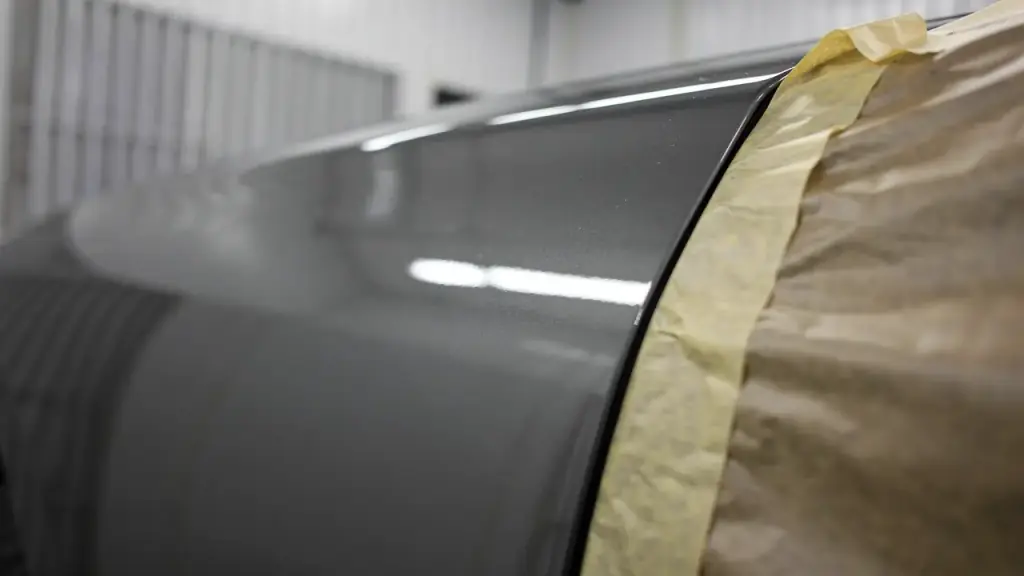
One roof matters here. The shop does collision repair, painting in its own onsite spray booth, and auto glass, so a strike that crumpled a bumper and cracked a windshield doesn't mean three different stops around the county.
Hitting an animal ruins an evening, not a month, as long as the first hour goes well. Stay safe, take the pictures, call in the claim, and bring the car to a shop that can look at the damage in person. Ron Kirk's Body Shop is at 501 Vermont Ave in Holton, and the number is (785) 364-2931.
Ron Kirk's Body Shop, (785) 364-2931
Call (785) 364-2931More articles
Windshield Chip or Crack: Repair It or Replace the Glass?
Size matters, but so do location and age, and the clock starts the moment the rock lands.
How Frame Straightening Works, and How to Tell Yours Has Moved
A car can look fine after a hard hit and still sit a few millimeters off, and the road will tell you before the paint does.